Skip to content
Check out our Loyalty Program Upgrades! / Free Shipping on Most Orders $50+ (excludes oversized items and locations outside of U.S.) / All use of this site is subject to our Terms & Conditions (Link in footer).
Free Shipping on Orders $50+ (Some exclusions apply)

Understanding Fly Line Weights, Tapers & Labels

A Modern Guide to Choosing the Right Fly Line

Selecting the right fly line can feel overwhelming—especially with today’s wide range of tapers, coatings, sink rates, and specialty designs. Walk into any fly shop and you’ll see fly lines labeled with terms like WF5F, Euro Nymph, Infinity Smooth, Titan Long, Sink Tip, Hover, and more.

So what does it all mean?

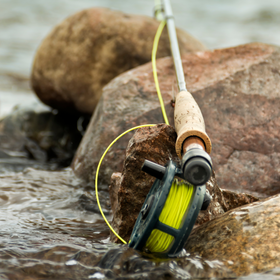
The truth is simple: your fly line is the engine of your fly rod. More than the rod itself, the fly line determines how your setup casts, fishes, and performs on the water.

Here’s a straightforward breakdown of how modern fly lines are selected, labeled, and matched to your fishing style.


Fly Line Weight: Matching the Rod

The first thing to understand is line weight.

Fly rods are designed to cast a specific line weight, typically ranging from 1-weight to 14-weight. A 5-weight rod is generally designed to cast a 5-weight fly line.

Common Freshwater Fly Line Weights

Line Weight Best Uses
3-weight Small streams, delicate dry fly presentations
4-weight Technical trout fishing
5-weight The all-around trout standard
6-weight Wind, larger flies, bass, bigger rivers
7-8 weight Streamers, pike, light saltwater
9+ weight Saltwater species and large game fish

For most trout anglers, a 5-weight floating line is still the best all-around choice.


Why Beginners Often Benefit from a Heavier Line

Modern fly lines are often built slightly “heavy” by design. You may see terms like:

  • Half-size heavy
  • Full-size heavy
  • Overweighted taper

This extra grain weight helps load the rod more easily, especially at shorter distances.

Why It Helps

A slightly heavier line:

  • Loads the rod faster
  • Makes timing easier
  • Improves turnover
  • Helps cast in windy conditions
  • Makes learning more intuitive

That’s why many beginner-friendly lines today are intentionally built heavier than the traditional AFFTA standard.

Popular beginner-friendly trout lines include:

  • Scientific Anglers MPX
  • Rio Gold
  • Airflo Superflo Universal Taper

Decoding Fly Line Labels

Fly line labels may look confusing at first, but they follow a fairly simple format.

Example:

WF5F

Here’s what it means:

Code Meaning
WF Weight Forward
5 5-weight
F Floating

Another example:

WF6S3

Code Meaning
WF Weight Forward
6 6-weight
S3 Sink Rate Type 3

Understanding Fly Line Tapers

The taper refers to how weight is distributed throughout the line.

This dramatically affects:

  • Casting feel
  • Distance
  • Accuracy
  • Presentation
  • Turnover power

Weight Forward (WF)

The most popular modern fly line design.

A WF line concentrates weight toward the front of the line, making it easier to:

  • Load the rod quickly
  • Cast farther
  • Handle wind
  • Turn over indicators and streamers

Ideal for:

  • Most freshwater trout fishing
  • Beginners
  • General-purpose use

Double Taper (DT)

A symmetrical line with long front and rear tapers.

Benefits:

  • Delicate presentation
  • Excellent roll casting
  • Longer lifespan (can reverse the line)

Best for:

  • Small streams
  • Dry fly purists
  • Short-range presentations

Shooting Head / Integrated Shooting Lines

These lines use a short, heavy head paired with a thin running line.

Designed for:

  • Maximum distance
  • Spey casting
  • Streamers
  • Saltwater
  • Big rivers

Floating vs Sinking Fly Lines

One of the biggest decisions anglers make is whether they need a floating or sinking line.

Floating Lines (F)

A floating line stays on the surface.

This is the most versatile option and the best choice for:

  • Dry flies
  • Nymphing
  • Indicator rigs
  • Beginners
  • General trout fishing

If you only own one line, it should probably be a floating line.


Sink Tip Lines

A sink tip combines:

  • Floating running line
  • Sinking front section

Perfect for:

  • Streamer fishing
  • Swinging flies
  • Getting flies slightly deeper

Very popular for:

  • Trout streamers
  • Steelhead
  • Salmon

Full Sinking Lines

These lines sink completely beneath the surface.

They are designed to:

  • Reach deeper water quickly
  • Maintain depth during retrieve
  • Fish lakes or deep runs effectively

Best for:

  • Stillwater fishing
  • Deep streamer fishing
  • Striped bass and saltwater applications

Understanding Sink Rates

Sinking lines are labeled by how fast they sink.

Sink Rate Approximate Sink Speed
Hover Nearly neutral buoyancy
Intermediate 1-2 inches per second
Type 3 3 inches per second
Type 5 5 inches per second
Type 7 7+ inches per second

The faster the current, the heavier the sink rate often needed.


Fly Line Color: Does It Matter?

Mostly, fly line color is personal preference—but visibility can matter.

Bright Lines

Benefits:

  • Easier tracking
  • Better strike detection
  • Easier mending

Great for:

  • Nymphing
  • Beginners
  • Low light

Muted or Darker Colors

Benefits:

  • Less visible to fish
  • Cleaner presentations in calm water

Great for:

  • Technical dry fly fishing
  • Clear water conditions

That said, fish usually see the leader more than the fly line itself.


Distance Casting: What Matters Most?

Many anglers assume fly rod action determines casting distance. In reality, fly line taper often matters even more.

Lines Designed for Distance Usually Feature:

  • Longer heads
  • Aggressive front tapers
  • Thin running lines
  • Slick coatings
  • Stiffer cores

Popular distance-oriented lines include:

  • Scientific Anglers Infinity
  • Scientific Anglers Amplitude Smooth Grand Slam
  • Airflo Superflo Distance
  • Rio Elite Gold Max

Modern Fly Lines Are More Specialized Than Ever

Today’s fly lines are incredibly technique-specific.

There are now dedicated lines for:

  • Euro nymphing
  • Streamers
  • Dry-dropper rigs
  • Saltwater flats
  • Bass bugs
  • Spey casting
  • Jungle fishing
  • Indicator nymphing

This specialization allows anglers to fine-tune performance for very specific applications.


The Most Important Takeaway

A great fly line can completely transform a fly rod.

In many cases, upgrading your fly line improves performance more than upgrading your rod.

For most anglers starting out:

Start with:

  • A quality weight-forward floating line
  • Matched to your rod weight
  • Slightly overweighted if you’re learning
  • Designed for all-around trout fishing

You’ll cover nearly every freshwater scenario with that setup.


Need Help Choosing the Right Fly Line?

At The Blue Quill Angler, we spend countless hours testing modern fly lines on Colorado rivers, private water, lakes, and destination fisheries around the world.

Whether you’re:

  • Building your first setup
  • Upgrading an older line
  • Choosing a streamer-specific taper
  • Selecting a technical dry fly line
  • Preparing for saltwater travel

—we’re happy to help match the right line to your rod, fishing style, and local conditions.

Stop by the shop or give us a call anytime!

Next article Summer High Water Temperatures