
The lush meandering, meadow portion of the South Platte between Spinney and Eleven Mile Reservoirs is known as the “Dream Stream” or the Spinney Mountain Ranch. This beautiful 3-mile section of the Platte offers anglers the opportunity of a lifetime to catch large trout. This fabulous tailwater fishery is located in the heart of South Park, tucked between 14,000 foot snow capped peaks on the west, rich ranchland to the north and south, and Pikes Peak on the east. Spinney is a well-balanced fishery where anglers can catch trout on nymphs, dry flies, and streamers.The river is comprised of prime trout habitat, which includes, riffles, runs, gravel bars, shelves, and undercut banks. Fly-fishers can expect to catch a mixed bag of rainbows, browns, and cutthroats in 10-18 inch range. In addition spring (rainbows, and cutthroats) and fall (browns and kokanee salmon) spawning runs from Elevenmile Reservoir are quite impressive with fish up to 10 pounds landed during a key three-four week period. Ideal flow conditions for “Dream Stream” are between 100 and 250 cfs. The regulations are flies and lures only and all fish must be returned to the water immediately.The Charlie Meyers State Wildlife Area (commonly called the Spinney Mountain Ranch or Dream Stream) is a classic meandering, meadow stream. Anglers have the opportunity to catch rainbows, cut-bows, cutthroats, and brown trout when they fish this fabled stretch of water.
Updated 9/12/25
Flows are 158 cfs, which are good for here this time of year. While peak water temps have improved a degree or two, it's still important to keep an eye on them in the afternoons and cease fishing before reaching 68 degrees.
Midges, tricos, caddis, baetis and some PMDs have been hatching. The mayfly action should improve on the cloudy, cooler days, so don't forget your dry fly rod. The true fall fishing here is just around the corner!
Updated 8/29/25
Flows have bumped up to 172 cfs, which is above the historical average. This is good news for the fishery since water temps have been an issue here by late morning/early afternoon. If you choose to fish here, we still recommend starting early and ending early in case those water temp issues still persist. Please keep an eye on the temps.
Hatches have ranged from midges and PMDs to caddis and yellow sallies. Hopper/dropper rigs are a good way to go later in the morning targeting riffles and cutbanks.
Updated 6/16/25
Fishing on the Dream has been good in the last few weeks as the flows, although low, have overall remained stable. You'll find hardy resident fish mostly in the 12-15 inch range with the occassional 18+ inch trout. Fish are keying in on tiny midges and baetis, as well as caddis in the riffles and the faster water. Cover lots of water and size down on your indicators and tippet.
As the air temps get higher by the day, please keep an eye on the water temps by early afternoon and stop fishing if temps get too high.
In the spring, the Charlie Meyers State Wildlife Area, commonly known as the "Dream Stream," offers excellent fly fishing opportunities as fish become more active and insect activity increases.
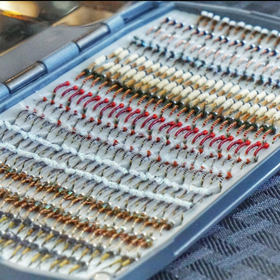
Here are some effective fly patterns to consider for spring fishing in this area:
Blue-Winged Olives (BWOs): These may hatch sporadically in spring, particularly on overcast and moist days. Carry patterns like Parachute Adams and Sparkle Duns for dries. For nymphs, try RS2s, Pheasant Tails, or Top Secret Baetis in sizes #18 to #22.
Midges: Midges will be active most mornings through Spring. Use patterns like Zebra Midges, Mercury Midges, or Massacre Midge in sizes ranging from #20 to #24.
Stoneflies: Stonefly nymphs become more active as the weather warms up. Carry patterns like Pat's Rubber Legs, Hare's Ear Nymphs, or Prince Nymphs in sizes #10 to #14.
Caddisflies: Caddis activity increases as temperatures rise. Patterns like Elk Hair Caddis, X-Caddis, or Stimulators in sizes #14 to #18 can be effective imitations.
Attractor Patterns: Bright and flashy attractor patterns like San Juan Worms, Egg Patterns, or Rainbow Warriors can be effective in catching the attention of fish, especially during runoff conditions.
Streamers: Larger fish might respond to streamers, particularly if the water is high and off-color due to runoff. Woolly Buggers, Sculpin patterns, and other streamers in various sizes and colors can attract larger fish.
As always, observe the water conditions, insect activity, and the behavior of the fish to determine the most effective patterns and presentations. Adjust your techniques throughout the day as conditions change.